Most organizations treat hardware infrastructure as a background utility—something to be rack-mounted, forgotten, and replaced on a three-year cycle. This is a strategic oversight. As the density of modern computation increases, the primary constraint on operational excellence is no longer software efficiency or algorithmic optimization; it is the physical removal of heat. When your processing units throttle due to thermal saturation, you are not just losing speed; you are burning capital on idle, throttled hardware.
\n\n
Active cooling arrays represent the bridge between theoretical computational capacity and realized output. By moving beyond passive heat sinks and standard fan configurations, high-performance environments utilize these arrays to maintain the thermal headroom necessary for sustained, peak-load execution. Understanding how to manage this layer of your infrastructure is a critical component of leadership in the age of AI and massive data processing.
\n\n
The Mechanics of Thermal Management
\n\n
An active cooling array is not merely a collection of fans. It is a precision-engineered ecosystem designed to manage fluid dynamics within a confined chassis. The goal is to maximize the delta between the ambient temperature and the heat-producing surface. When this delta narrows, performance degradation is inevitable.
\n\n
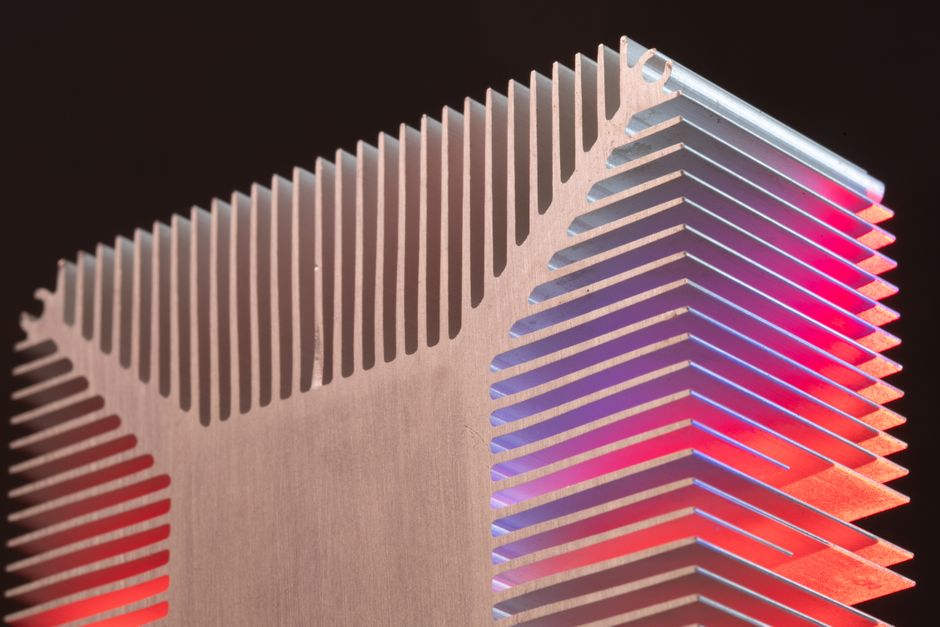
In high-performance computing, the bottleneck is often the boundary layer—a thin, stagnant film of air that clings to heat sinks and acts as an insulator. Active cooling arrays overcome this through high-static-pressure air movement, essentially stripping away this thermal insulation. From a strategy perspective, investing in active cooling is an investment in the longevity and reliability of your most expensive assets. If your hardware is constantly cycling between overheating and throttling, you are introducing micro-variations in latency that disrupt high-frequency execution.
\n\n
Operational Implications of Thermal Load
\n\n
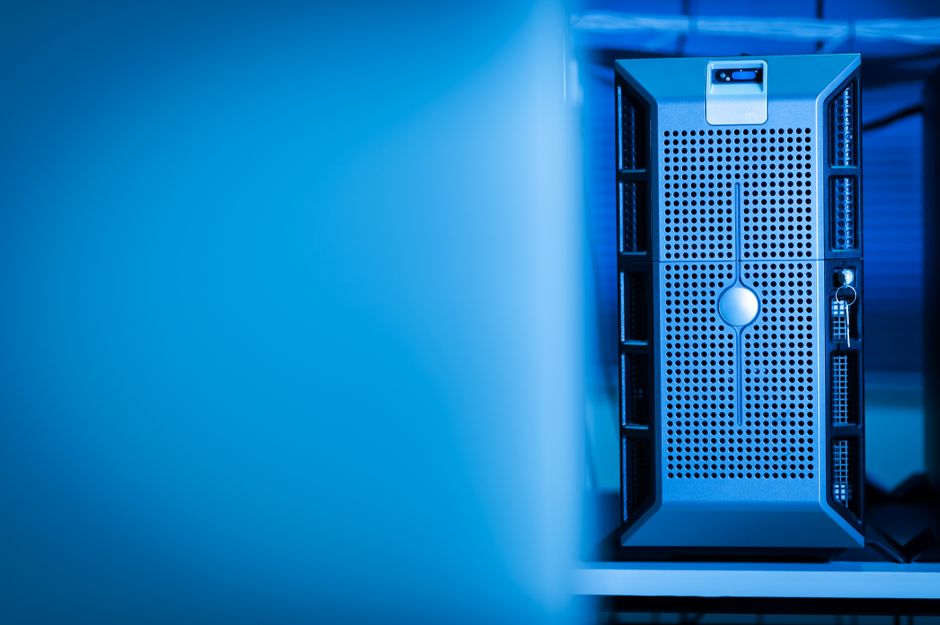
The decision to deploy complex cooling arrays should be driven by the specific demands of your workload. Not every server requires liquid-to-air heat exchangers or high-RPM fan walls. However, for organizations training large language models or running real-time predictive simulations, the cost of cooling is dwarfed by the cost of downtime or suboptimal processing.
\n\n
\n
Predictability: Consistent thermal environments yield predictable performance metrics. When your hardware runs at a steady state, your decision-making regarding project timelines and resource allocation becomes significantly more accurate.
\n
Longevity: Thermal cycling—the repeated expansion and contraction of components due to heat—is a primary driver of hardware failure. Active cooling mitigates these swings, extending the mean time between failures (MTBF).
\n
Density: Advanced cooling allows for higher rack density. By managing heat effectively at the component level, you reduce the physical footprint of your data center, directly impacting your real estate and power distribution overhead.
\n
\n\n
The Intersection of AI and Thermodynamics
\n\n
The current explosion in AI development has fundamentally changed the thermal profile of the modern data center. GPU-intensive workloads generate localized heat spikes that traditional HVAC systems cannot manage. This is where active cooling arrays become a competitive necessity. The ability to push hardware to its absolute limit without triggering thermal protection protocols is a form of execution excellence that separates top-tier firms from those struggling with infrastructure bottlenecks.
\n\n
Leaders must stop viewing cooling as a facilities problem and start viewing it as a performance problem. If your high-performance thinking is not accounting for the physical environment in which your code runs, your strategy is incomplete. You are effectively leaving performance on the table because you failed to clear the heat from the silicon.
\n\n
Strategic Deployment
\n\n
When evaluating cooling solutions, prioritize modularity and sensor integration. The best arrays are those that respond dynamically to load, rather than running at a constant, inefficient speed. By integrating thermal telemetry directly into your monitoring stack, you gain the visibility required to make informed decisions about hardware utilization. Don’t wait for the hardware to fail; manage the heat before the heat manages you.